
Waste Water Heat Recovery Explained
Learn how WWHR captures heat from shower waste water to reduce energy bills and carbon emissions and discover the Power-Pipe and Sanura solutions available.

What Is Waste Water Heat Recovery?
How WWHR Works: The Science Behind Heat Recovery
Key Benefits of Waste Water Heat Recovery
Energy Savings
By pre-heating cold water with recovered heat, your heating system uses less gas or electricity for each shower. This can cut hot water energy costs by up to 60%, offering a strong return on investment over time.
Lower Carbon Footprint
Less energy consumption means fewer carbon emissions. For homeowners and contractors aiming to meet sustainability targets, WWHR is a practical way to reduce environmental impact without changing daily habits.
Simple Integration
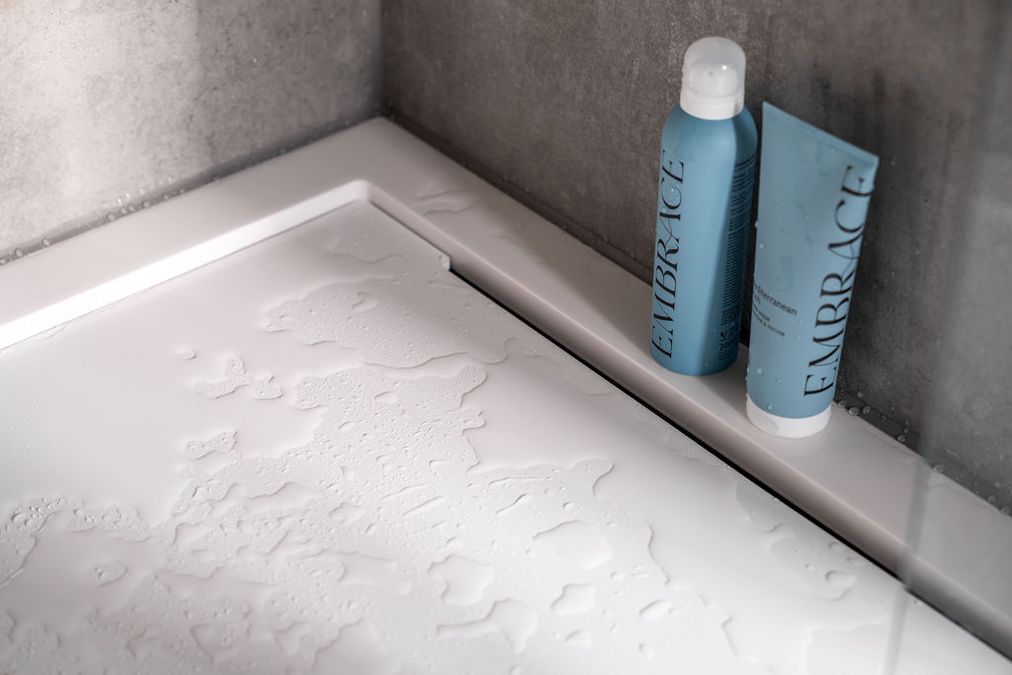
WWHR systems are available for both new builds and retrofit projects. With options like integrated shower trays from, installation in existing bathrooms or flats is straightforward and space-efficient.
Where WWHR Is Used
Installation Considerations
Whether you are a Quantity Surveyor, Contractor buyer, or Homeowner, understanding the installation requirements of WWHR is key to selecting the right system.
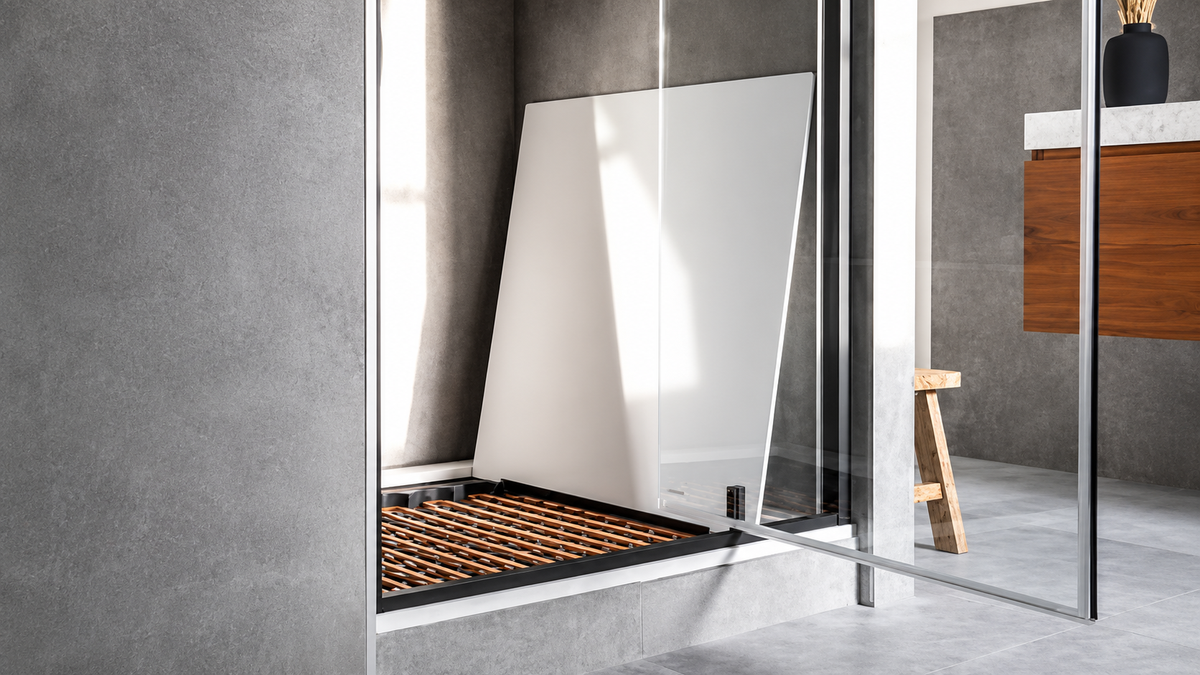
Retrofit projects: For existing bathrooms, the Sanura integrated shower tray is often the simplest option because it does not require access below the floor. If vertical space beneath the shower is available, a Power-Pipe unit can also be retrofitted with appropriate plumbing adjustments.
New builds: Both system types can be specified at the design stage. Vertical heat exchangers (Power-Pipe) are typically installed in service risers or below the floor, while Sanura trays allow builders to combine the shower base and heat recovery in one component.
Space requirements: Power-Pipe systems require a vertical drop of about 1–2 metres depending on the model. Sanura trays need no extra vertical space, making them ideal for flats or bathrooms on concrete slabs.
Our team can advise on the best solution for your project get in touch for tailored guidance.
Power-Pipe Systems
Power-Pipe offers versatile waste water heat recovery units suitable for both residential showers and larger commercial applications. Their copper heat exchangers are engineered for high efficiency and durability, with a range of sizes to match different flow rates and space constraints.
View Power-Pipe ProductsSanura Shower Trays
Sanura integrates heat recovery directly into the shower tray, making it an ideal solution for retrofit projects, flats, and ground-floor bathrooms. The compact design eliminates the need for a separate vertical heat exchanger below the shower, simplifying installation while still delivering meaningful energy savings.
View Sanura ProductsReady to Save Energy with WWHR?
Explore our full range of waste water heat recovery solutions, from Power-Pipe units to Sanura integrated shower trays and find the right fit for your next project.
Frequently Asked Questions
What is your return policy?
We offer a 30-day return policy on unused items in original packaging.
How long does delivery take?
Standard delivery is 3–5 working days. Express options are available at checkout.